Nature & Scenery
Nature and scenery in Japan: day trips beyond the cities
Mount Fuji and Hakone, Nikko, the hills of Hokkaido, island forests and coral seas: Japan's landscapes, and how to reach them in a day.
About two-thirds of Japan is covered by forest and mountain, and some of its finest landscapes are a morning’s journey from the big cities. A day trip is the easiest way to see them: the transport is arranged, and you are back in your hotel by evening.
From Tokyo
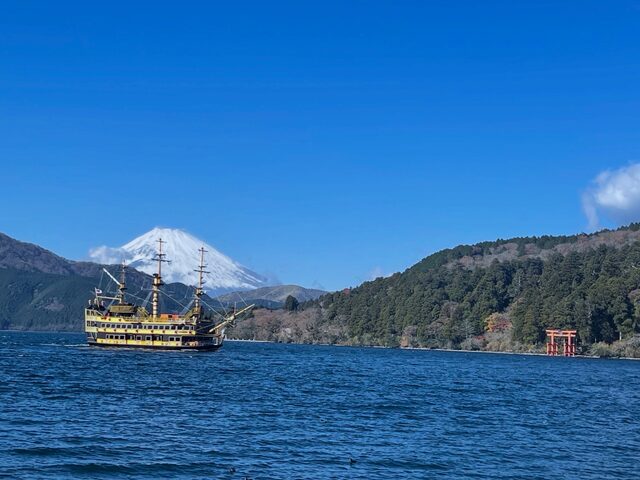
Mount Fuji and Hakone
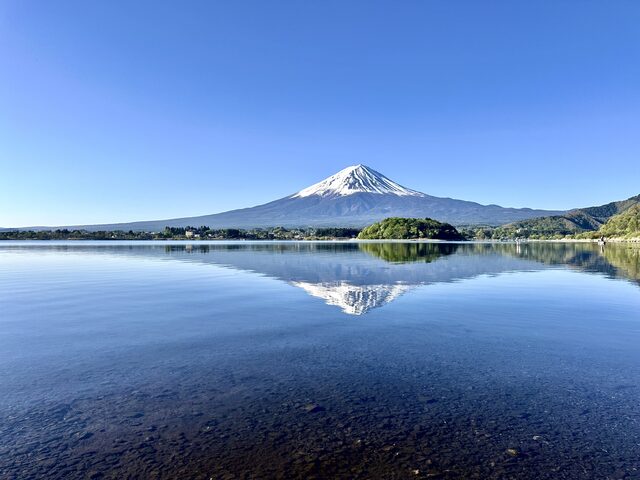
Mount Fuji, at 3,776 metres, is Japan’s highest mountain and its most recognised shape. Most day trips combine a viewpoint on or near the mountain with Hakone, a hot-spring area of wooded hills and a volcanic lake, Lake Ashi.
One thing is worth knowing before you go: Fuji is often hidden by cloud. Clear views are most likely in the colder months and early in the morning, and no tour can promise one. Go for the day out, and treat the mountain as a bonus.
Nikko
North of Tokyo, Nikko brings together two things in one day: the lavish shrine where the first Tokugawa shogun is enshrined, and a mountain landscape of cedar forest, a lake and waterfalls. It is higher and cooler than Tokyo, and especially popular when the leaves turn in autumn.
Further afield
Hokkaido
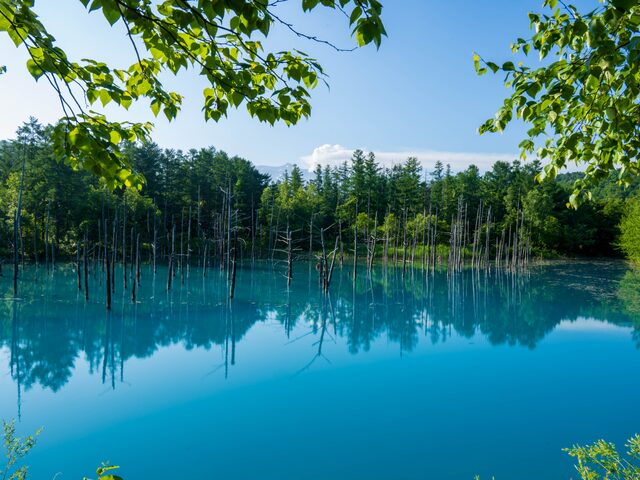
Japan’s northern island feels like another country: wide skies, farmland and rolling hills. From Sapporo, day trips run to the flower fields and patchwork hills around Furano and Biei, and to the Blue Pond, whose colour shifts with the light.
The Seto Inland Sea
Between the main island of Honshu and Shikoku lies a calm sea dotted with islands. The Shimanami Kaido, a road of bridges with a dedicated cycling route about 70 kilometres long, crosses it. You do not have to ride it all: many people cycle one or two islands and take a ferry or bus back.
Matsushima
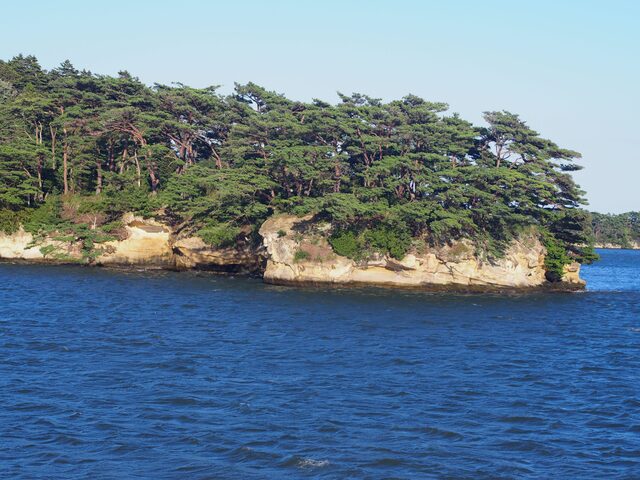
Near Sendai in the north-east, a bay holds some 260 small islands covered in pine trees. It has been counted for centuries as one of Japan’s three most celebrated views, and is seen at its best from a boat.
Yakushima and Okinawa
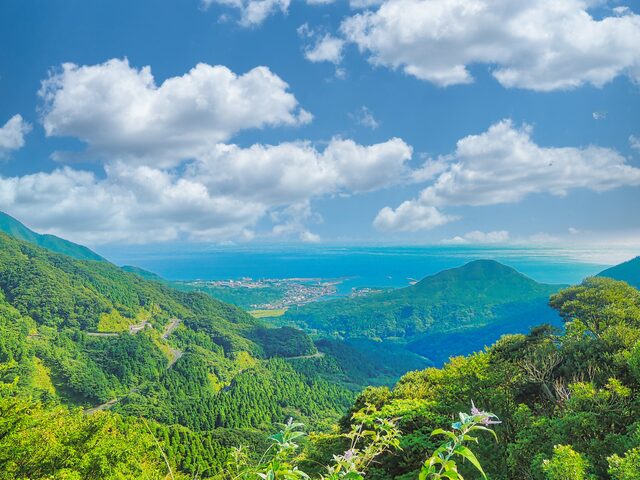
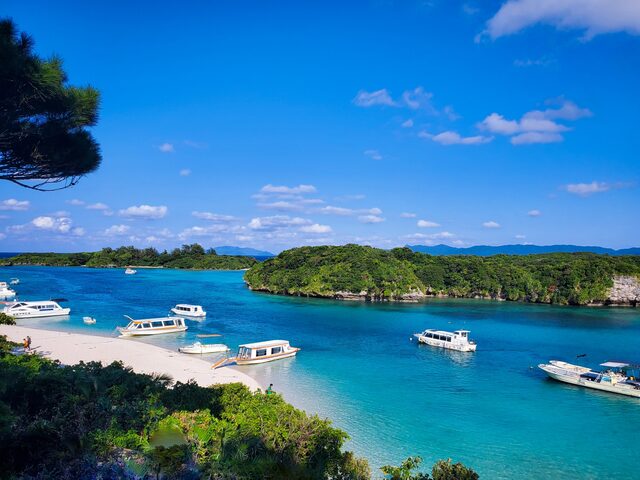
Far to the south, Yakushima is an island of ancient, moss-covered cedar forest and a great deal of rain. Further south still, the islands of Okinawa are subtropical, with coral reefs and clear water for snorkelling.
How active do you want to be?
Nature trips vary more than any other kind of experience in how demanding they are.
- Easy-going: coach tours to viewpoints, boat cruises, cable cars.
- Moderate: walks around shrine grounds and lake shores, with time to rest.
- Active: forest hikes on Yakushima or the Kumano Kodo pilgrimage trail, a day’s cycling on the Shimanami Kaido, snorkelling in Okinawa.
Read the description of a tour carefully before booking, and ask the operator if anything about walking distance, steps or the terrain is unclear. We do not state these details ourselves unless we have confirmed them.
Practical notes
- Weather decides. Mountain views, boat trips and sea activities all depend on it. Check what the operator’s policy is if a tour is cancelled.
- Dress in layers. Mountains and Hokkaido are much cooler than the cities.
- Bring cash. Small shops and rural bus lines do not always take cards.