History & Traditions
Traditional culture in Japan: tea, temples and living traditions
Tea ceremony, temples and shrines, sumo and festival drums: what Japan's living traditions are, and how a visitor can take part respectfully.
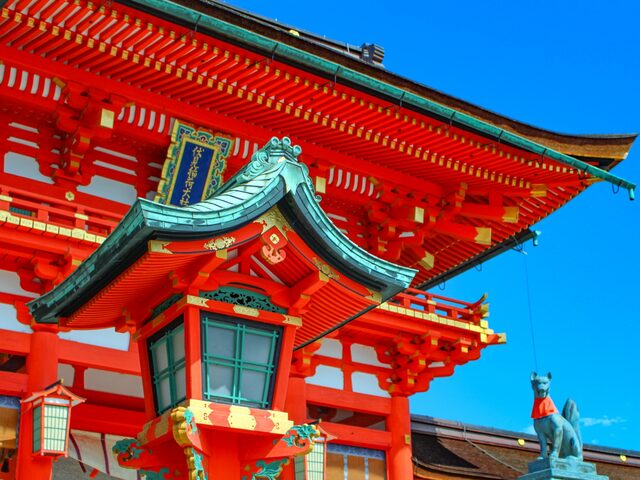
Much of what visitors come to Japan to see is not behind glass. Shrines are in daily use, tea is still taught as a discipline that takes a lifetime, and sumo wrestlers train every morning. That is what makes these traditions worth more than a photograph — and why a little background changes what you see.
Temples and shrines: knowing which is which
Japan has two long-standing religious traditions, and most people take part in both.
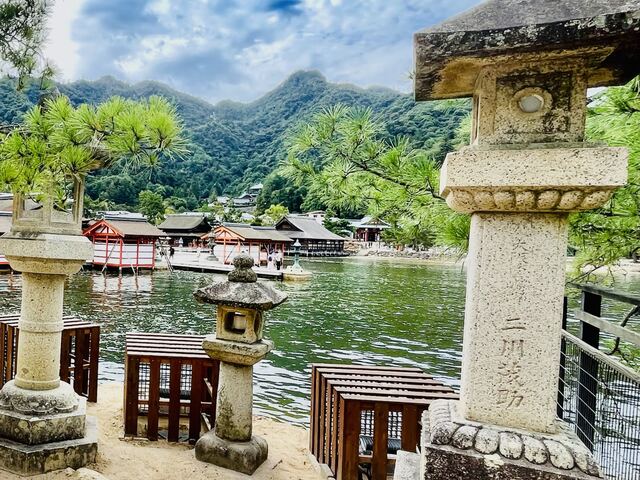
Shrines belong to Shinto, the native tradition of Japan. You enter through a gate called a torii. The thousands of vermilion gates at Fushimi Inari in Kyoto, and the great gate standing in the sea at Itsukushima Shrine on Miyajima, are the most famous examples.
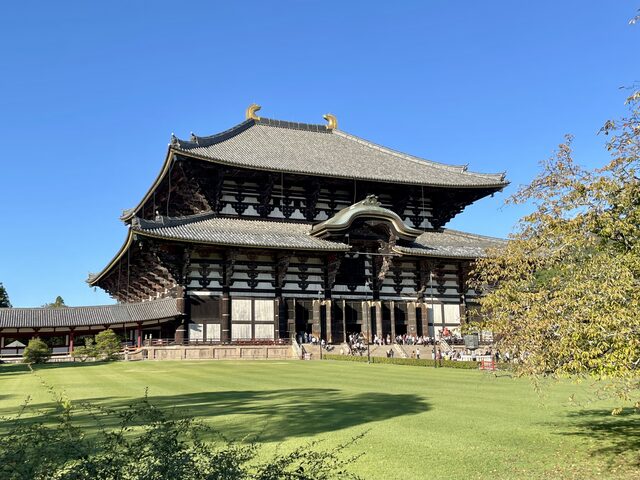
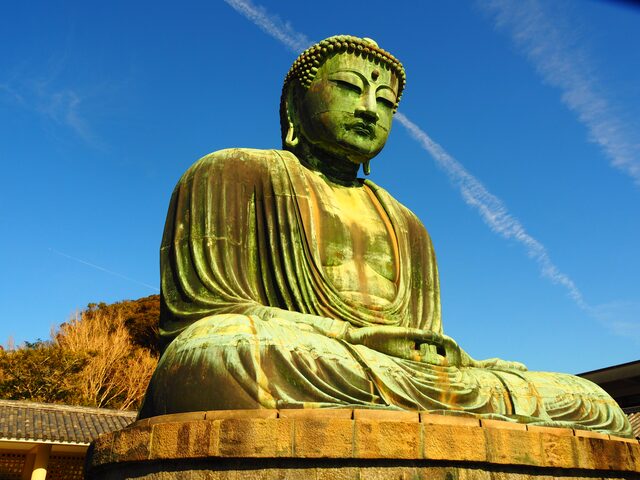
Temples are Buddhist. They often have a large gate with guardian figures, a main hall with a statue of the Buddha, and sometimes a pagoda. The Great Buddha of Todai-ji in Nara and the open-air Great Buddha of Kamakura are among the best known.
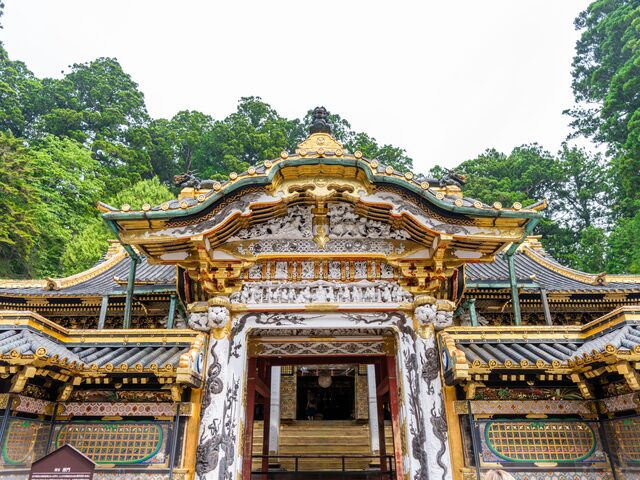
A guide earns their fee here. The same carved gate that looks merely ornate becomes a story once someone explains who built it and why.
Simple manners
- At a shrine, bow lightly before passing under the torii, and rinse your hands at the water basin if there is one.
- Photography is often not allowed inside halls. Look for signs, and ask if you are unsure.
- Speak quietly. People around you may be there to pray.
The tea ceremony
The way of tea, chado, grew out of Zen Buddhism and took its lasting form in the sixteenth century. A host prepares a bowl of powdered green tea, matcha, with movements practised for years, and serves it with a small sweet.
For a visitor, a tea ceremony is one of the calmest things you can do in Japan: you sit, you watch, you drink. Kyoto, the old capital, is the classic place for it, and many hosts are used to explaining each step in English. Ask in advance if you would prefer a chair to sitting on the floor — many places can arrange one.
Sumo
Sumo is at once a sport and a ritual. The salt thrown into the ring purifies it; the referee dresses like a Shinto priest. Six grand tournaments are held each year, three of them in Tokyo, and tickets sell quickly.
Outside tournament time, the most memorable way to see sumo is to watch morning practice at a training stable, or to attend a demonstration where the rules are explained. Both bring you far closer to the wrestlers than a seat in the arena.
Drums, festivals and performance
Taiko drums are the sound of Japanese festivals. In a taiko lesson you learn a short piece in a group — it is loud, physical and easy to enjoy even if you have never played an instrument.
If you would rather watch than take part, look for seasonal festivals in the places you are visiting. They are local events before they are tourist attractions, which is exactly their appeal.
Choosing a cultural experience
- For calm and reflection, choose a tea ceremony.
- For history told on the spot, choose a guided walk at a great shrine or temple, or a day in Nara, Nikko or Kamakura.
- For something you will never see at home, choose sumo.
- For taking part, choose taiko.